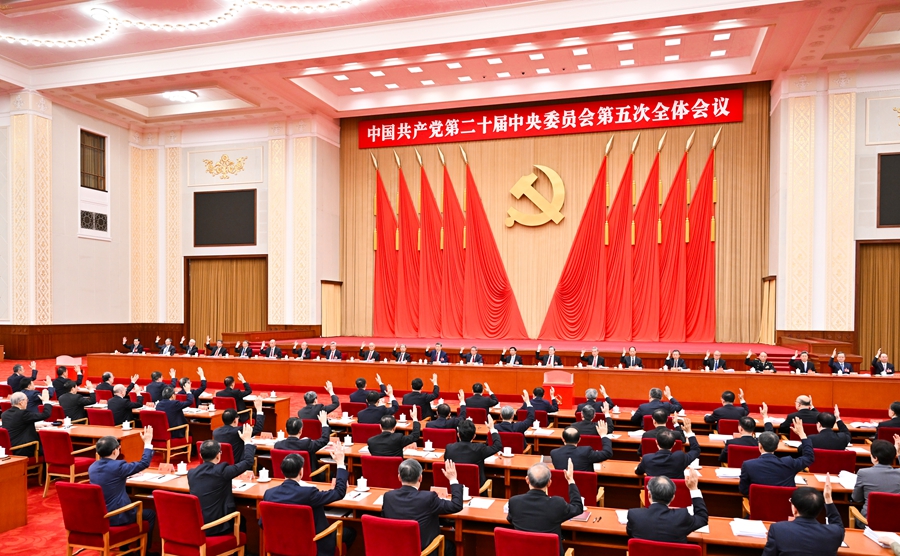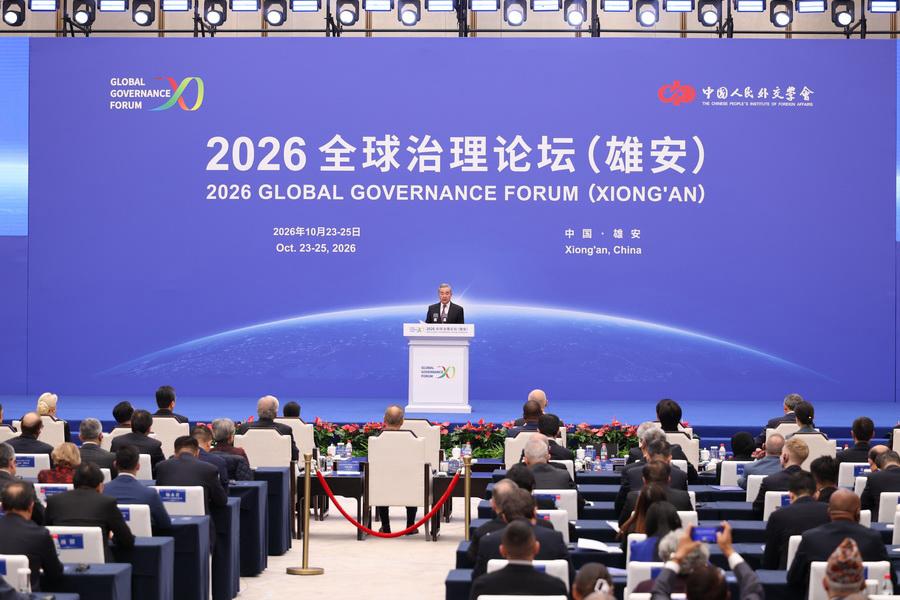
On October 27, 2026, the 2nd Quality Innovation Forum (Quality Innovation (Suzhou) Forum) opened at Soochow University (PRC), focusing on the interconnection between the power sector, computing power, and national development. Discussions highlighted how reliable electricity supply, efficient computing infrastructure, and technological quality are becoming interdependent factors of economic competitiveness. For Kazakhstan and Central Asia, these issues are particularly relevant to energy modernization, digital transformation, and cooperation with China.
Held under the theme “Power, Computing Power, and National Development” (电力·算力·国力), the forum was organized by the China Association for Quality Management in the Water Resources and Power Sector and Soochow University, with contributions from specialized university research institutions.
Participants included representatives of energy enterprises, research organizations, universities, industry associations, and specialists from Kazakhstan, Uzbekistan, Azerbaijan, Kenya, and other countries. The program featured plenary presentations, research findings, and five thematic sessions covering safety, quality management, digitalization, new materials, and international cooperation.
A key theme was the evolving concept of quality. Traditionally associated with equipment reliability and technical compliance, quality is increasingly understood as a characteristic of entire interconnected technological systems.
Data centers and AI applications require not only sufficient electricity but also stable voltage, uninterrupted supply, efficient cooling, and flexible load management. Consequently, digital competitiveness increasingly depends on the quality of energy infrastructure.
Opening the forum, Wang Guanghui, Chairman of the China Association for Quality Management in the Water Resources and Power Sector, outlined the relationship between electricity as the foundation of economic activity, computing power as a productive resource of the digital era, and national development as the outcome of their effective interaction.
Quality is central to converting these resources into economic results. Expanding generation capacity, server numbers, or digital investment alone does not guarantee productivity growth. What matters is the effective integration of energy, computing, and management systems.
For countries developing AI infrastructure, this requires closer coordination of energy and digital policies. Data center planning must consider reliable power supply, grid capacity, renewable energy potential, and operating costs, while energy planning must reflect growing digital demand.
Academician Lei Xianzhang of the German National Academy of Engineering Sciences presented a new power system architecture within China’s national strategy, emphasizing multi-level networks combining transmission systems, distribution infrastructure, and local microgrids.
This approach envisages a transition toward flexible, two-way electricity flows, where consumers may also generate power and energy storage, distributed generation, and digital control become integral system components. Coordination between electricity production and consumption, including links with hydrogen technologies, was also discussed.
Bian Jianhua, a member of the U.S. National Academy of Engineering and former president of IEEE Power & Energy Society, examined North American approaches to power system reliability under growing computing loads. Her presentation considered small modular reactors, storage-equipped microgrids, virtual power plants, and demand-side management.
An important implication is the changing role of large consumers. Computing tasks can be shifted to periods of lower electricity demand, while storage systems smooth short-term fluctuations. This creates opportunities for more flexible coordination among power producers, grid operators, and consumers.
A significant forum outcome was the presentation of the study “The Era of Quality in Electro-Computing Power: The Thinking Power of Systemic Reshaping” (电算力的质量时代:系统重塑的思维力量).
The study introduces the concept of “electro-computing power” (电算力), treating electricity and computing infrastructure as an integrated system. Unlike traditional assessments focused primarily on processors, servers, and computing volumes, this approach also considers the energy conditions under which computing results are produced.
The proposed model comprises six dimensions: computing performance, data transmission, information storage, energy efficiency, carbon efficiency, and power supply quality.
The final three dimensions assess electricity consumption per computing task, emissions per unit of computing output and the share of low-carbon power, as well as supply stability and interaction with the power system.
Power quality is especially important for large AI computing facilities, where even brief disruptions can interrupt operations and increase costs. Infrastructure assessments should therefore consider not only electricity prices and equipment performance but also the reliability of the entire technological chain.
The concept provides a potential framework for integrated energy and computing infrastructure planning. However, practical implementation requires further development of measurement methodologies, comparable indicators, and independent assessment procedures. It remains a proposed research model rather than an internationally accepted standard.
The afternoon program comprised five parallel sessions.
The first track addressed safety and quality, focusing on infrastructure reliability, technological risk prevention, and safety management. These issues are particularly important in energy systems, where technical failures can have consequences beyond individual enterprises.
The second track examined innovations in quality management, including organizational improvement, modern management tools, production efficiency, organizational culture, and internal safety principles.
The third track focused on power engineering, computing power, and digital innovation, particularly digital monitoring, intelligent diagnostics, big data, and the integration of energy and computing infrastructure.
The fourth track covered new materials and quality. Advances in energy storage and high-tech equipment require updated material specifications, testing methods, reliability assessments, and equipment approval procedures.
The fifth track examined the international application of Chinese quality practices and cooperation with Central Asia, particularly in water resources and power engineering.
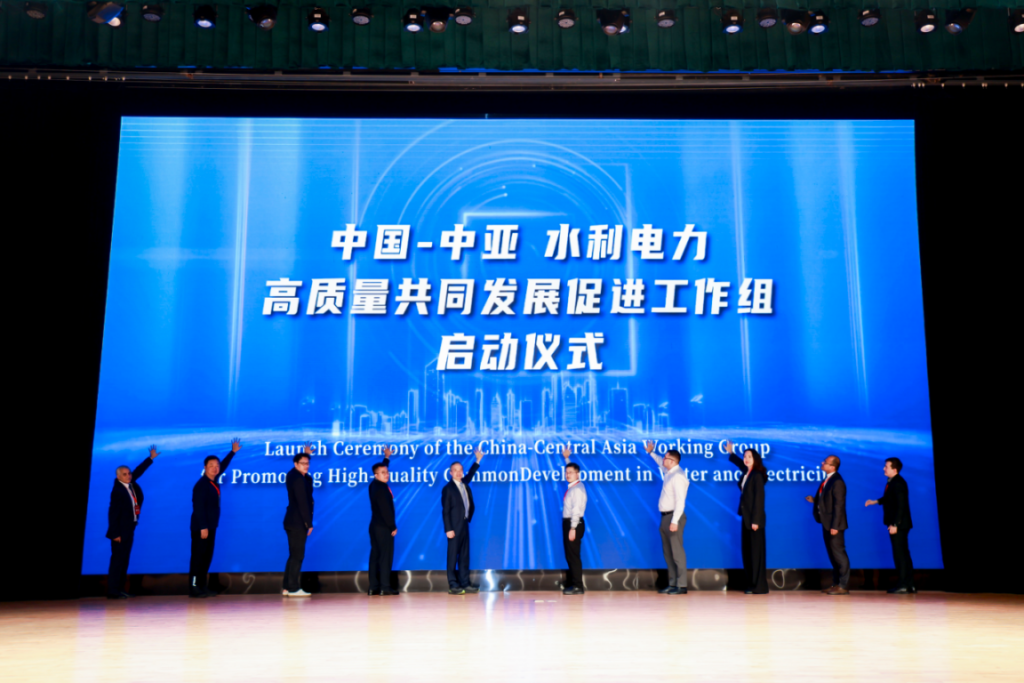
An important institutional result was the establishment of the China-Central Asia Working Group on Joint High-Quality Development of Water Resources and Power. Its founding document was signed by representatives of relevant organizations from China, Kazakhstan, Uzbekistan, and Azerbaijan, including industry associations, universities, research institutions, and government bodies.
G. Shaimergenova, Director of the China Studies Center (Kazakhstan), participated in the forum and thematic session and addressed the opening ceremony, emphasizing quality, technical standards, and the long-term effectiveness of infrastructure cooperation. The Center was among the organizations signing the Working Rules of the new cooperation mechanism.
For Kazakhstan, the discussions have practical implications in three interconnected areas.
First, power system modernization. Kazakhstan combines substantial conventional generation capacity with expanding renewable energy development. Integrating wind and solar power requires greater grid flexibility, accurate generation forecasting, effective load management, and energy storage.
In northern and central Kazakhstan, for example, wind energy development must account for generation variability, transmission capacity, and balancing mechanisms. Digital monitoring, forecasting, and automated control can improve renewable integration, provided they are accompanied by appropriate technical expertise and regulatory frameworks.
Second, national AI infrastructure development. Expanding computing capacity, data centers, and AI applications in public administration and industry will increase electricity demand.
Digital transformation planning must therefore be coordinated with energy infrastructure development. Data center site selection should assess not only land costs, telecommunications connectivity, and investment conditions, but also power supply reliability, backup capacity, cooling requirements, and long-term electricity expenses.
The electro-computing power concept presented in Suzhou could provide a useful analytical framework for coordinating energy and digital policies.
Third, Kazakhstan-China cooperation on technical standards. As Chinese energy equipment becomes more widely used, compatibility with Kazakhstan’s technical requirements, certification procedures, and operating conditions becomes increasingly important.
The objective is not to replace Kazakhstan’s standards with Chinese ones, but to strengthen technical dialogue, joint testing, information exchange, and the application of relevant international standards.
Such cooperation can reduce technological risks, improve equipment maintenance, and strengthen the professional competencies of Kazakh specialists.
Central Asia’s energy systems have historically been interconnected, although their generation structures, national priorities, and technical capabilities differ.
Kazakhstan and Uzbekistan operate large power systems, Kyrgyzstan and Tajikistan possess significant hydropower resources, while Turkmenistan has considerable potential for gas-fired generation and electricity exports.
These complementary resources create opportunities for regional electricity trade and more efficient capacity utilization. However, physical interconnection alone does not ensure effective integration.
Regional cooperation also requires harmonized technical requirements, reliable metering, coordinated dispatch management, cross-border flow regulation, and emergency response procedures.
An example is the strategic partnership agreement on green energy development and transmission signed by Kazakhstan, Azerbaijan, and Uzbekistan in November 2024. It envisages an energy corridor connecting Central Asia with Azerbaijan and potentially European markets across the Caspian Sea.
Implementation will depend on compatible infrastructure, agreed electricity transmission requirements, and reliable cross-border coordination mechanisms. Cooperation on standards must therefore complement investment in physical infrastructure.
The Working Group established in Suzhou could become a professional platform for addressing these challenges. Its activities should prioritize comparative analysis of technical requirements, joint research, specialist training, and the exchange of quality management practices.
China is expanding the international participation of its enterprises, research institutions, and industry associations in technological cooperation. However, successful entry into foreign markets requires not only competitive equipment and technologies but also compliance with host countries’ national requirements.
International cooperation on quality therefore extends beyond equipment supply to technical regulation, certification, specialist training, knowledge exchange, and coordination of operating practices.
For Central Asian countries, retaining the ability to independently determine national technical requirements and select appropriate technological solutions is essential.
A sustainable cooperation model should be based on mutual recognition of competencies, transparent conformity assessment procedures, and compatibility with international standards.
Its effectiveness should be measured not simply by signed agreements or organized events, but by tangible outcomes: fewer technical barriers, more reliable equipment, stronger laboratory capabilities, better-trained specialists, and reduced operational risks.
Thus the 2nd Quality Innovation Forum in Suzhou highlighted four important trends.
First, power engineering and computing infrastructure are becoming increasingly interdependent. AI development raises requirements for electricity reliability, while digital technologies create new tools for managing energy systems.
Second, quality is becoming an independent factor of technological competitiveness. Expanding energy and computing capacity must be accompanied by greater efficiency, reliability, and resilience.
Third, emerging energy technologies require updated technical regulation. Distributed generation, energy storage, smart grids, and new materials increase the importance of standards, testing, and conformity assessment.
Fourth, international cooperation is evolving beyond equipment trade and infrastructure construction toward standards, professional competencies, and technological management. The China-Central Asia Working Group reflects this transition.
For Kazakhstan and Central Asia, the principal practical recommendation is closer coordination of energy, digital, and industrial policies. Investment in generation capacity, AI infrastructure, and cross-border electricity connections must be supported by improved technical standards, workforce development, and stronger institutional cooperation mechanisms.
In the longer term, competitiveness will depend not merely on available energy and computing resources, but on the ability to integrate them into reliable, technologically compatible, and economically productive systems. This represents the central analytical significance of the discussions held in Suzhou.
China Studies Center